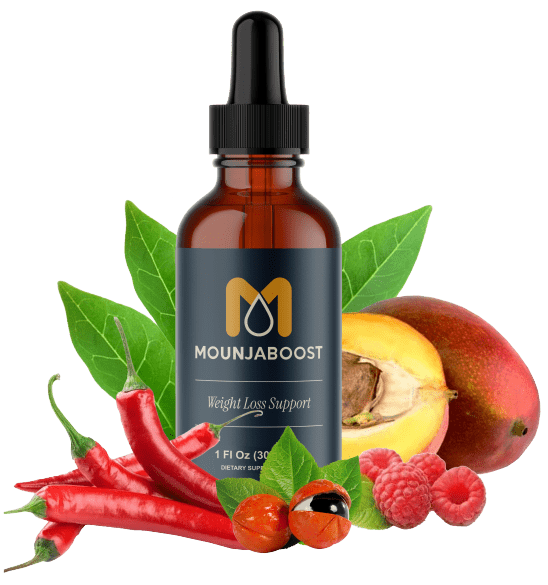
Let's be direct. African Mango Seed Extract benefits are one of the most searched supplement claims on the internet right now — and one of the most misrepresented. You'll find breathless marketing copy promising dramatic fat loss, appetite suppression, and metabolic transformation. You'll also find flat-out skeptics who dismiss the whole thing as hype. My job here is to cut through both extremes and show you what the peer-reviewed evidence actually says, where the gaps are, and whether the dosage in a product like MounjaBoost lines up with what was used in clinical research.
Key Takeaways
- African Mango Seed Extract (Irvingia gabonensis) has been studied in small clinical trials for weight management, appetite regulation, and metabolic markers.
- Some evidence suggests it may support leptin sensitivity and fat cell metabolism, though larger independent trials are still needed.
- Clinically studied dosages in published trials have usually ranged from 150 mg to 300 mg twice daily — transparency about actual dosages in in-house formulas is a legitimate concern.
- MounjaBoost includes African Mango Seed Extract as part of an 8-ingredient liquid formula manufactured in a USA FDA-registered, GMP-certified facility.
- This page doesn't substitute for medical advice. If you have a metabolic condition, consult a qualified healthcare provider before adding any supplement.
What Is African Mango Seed Extract?
African Mango Seed Extract is a concentrated extract derived from the seeds of Irvingia gabonensis, a fruit-bearing tree native to West and Central Africa. As of 2026, it remains one of the more studied botanical ingredients in the weight management category, with several small clinical trials examining its effects on body weight, appetite hormones, and lipid markers. It isn't the same as common mango.
Definition: Irvingia gabonensis seed extract is standardized from the seed kernel of the African bush mango. The seeds are rich in soluble fiber and fatty acids, and researchers have focused mainly on their potential influence on leptin — a hormone that signals fullness to the brain.
The extract is distinct from the fruit pulp. Most supplement research uses a seed-specific extract, sometimes sold under proprietary names. When you see "African Mango" on a label, you want to confirm it specifies the seed extract — that's where the studied bioactive compounds are concentrated.
What stands out here is bottom line: African Mango Seed Extract is a real botanical ingredient with a legitimate (if limited) research record. It isn't a miracle compound, but it isn't snake oil either.

What Does the Clinical Evidence Actually Say About African Mango for Weight Loss?
The clinical record on African Mango for weight loss is real but modest. Several small randomized controlled trials have examined Irvingia gabonensis seed extract in overweight adults, with some studies reporting reductions in body weight, waist circumference, and fasting blood glucose compared to placebo. According to a review of available trials, study durations have typically ranged from 4 to 10 weeks, with sample sizes in most cases under 100 participants — which limits how confidently we can generalize the findings.
Here is what the published research scene looks like, without embellishment:
- Body weight: Some trials have reported statistically meaningful reductions in body weight in the Irvingia gabonensis group versus placebo, though effect sizes varied across studies.
- Waist circumference: A subset of trials noted reductions in waist measurements, which researchers attributed in part to changes in fat cell metabolism.
- Leptin levels: Peer-reviewed studies indicate that Irvingia gabonensis may influence leptin sensitivity — leptin is the hormone that tells your brain you've eaten enough. Disrupted leptin signaling is associated with persistent hunger and weight gain.
- Blood lipids: Some evidence suggests modest improvements in LDL cholesterol and triglycerides in study participants, though results were not consistent across all trials.
- Blood glucose: Early research indicates a possible effect on fasting glucose levels, which is relevant for people managing metabolic health alongside weight.
The scientific consensus is still forming. The trials that exist are promising enough to justify continued research, but most have been small, short-term, and in some cases funded by parties with commercial interests in the ingredient. Independent, large-scale replication is the missing piece.
The bottom line: The evidence for African Mango Seed Extract in weight management is preliminary but not fabricated. It warrants attention — and appropriate skepticism about oversized claims.
How Does African Mango Seed Extract Affect Metabolism?
African Mango Seed Extract metabolism effects are thought to operate through several biological pathways, though researchers are still working out the precise mechanisms. The leading hypothesis involves the extract's influence on adiponectin and leptin — two hormones that play a direct role in how your body stores and burns fat.
According to the NIH's National Library of Medicine, both adiponectin and leptin are key regulators of energy balance and insulin sensitivity.
Definition: Adiponectin is a protein hormone secreted by fat cells that helps regulate glucose and fatty acid breakdown. Low adiponectin levels are associated with obesity and insulin resistance. Some research suggests Irvingia gabonensis may support adiponectin production, though this evidence is preliminary.
The proposed metabolic mechanisms include:
- Leptin sensitization: The extract may reduce leptin resistance, helping the brain receive accurate hunger signals again — a noticeable issue in people who have been overweight for extended periods.
- Adipogenesis inhibition: Some in-vitro research suggests the seed extract may interfere with the formation of new fat cells, though translating cell-culture findings to human outcomes requires caution.
- Glycerol-3-phosphate dehydrogenase inhibition: This enzyme is involved in converting blood sugar into stored fat. Growing evidence suggests Irvingia gabonensis compounds may inhibit this enzyme, though experts urge caution in interpreting early mechanistic data.
- Amylase inhibition: The soluble fiber content may slow carbohydrate digestion, potentially blunting post-meal blood sugar spikes.
What this means: If these mechanisms hold up in larger human trials, African Mango Seed Extract could genuinely support metabolic function — not by burning fat directly, but by addressing some of the hormonal and enzymatic factors that make fat loss difficult in the first place. That's a meaningful distinction.
What Are the Dosages Used in Research — and Does MounjaBoost Match Them?
This is the question most supplement review sites skip entirely. Dosage transparency is where a lot of products fall short, and it's the first thing I look for when evaluating any ingredient claim. Published clinical trials on Irvingia gabonensis have for the most part used dosages in the range of 150 mg to 300 mg of seed extract, taken twice daily, for periods of 4 to 10 weeks. That's a specific, testable benchmark.
MounjaBoost is a liquid drop formula containing African Mango Seed Extract as one of eight ingredients. Because the formula uses a branded mix structure, the exact per-ingredient dosage isn't publicly disclosed on the label. This is a legitimate transparency concern — one that applies to most multi-ingredient supplements on the market, not just this one.
| Metric | Clinical Trial Range | MounjaBoost (Liquid Formula) | Typical Single-Ingredient Capsule |
|---|---|---|---|
| Irvingia gabonensis dosage | 150–300 mg, twice daily | Not individually disclosed (custom formula) | 150–300 mg per capsule |
| Delivery format | Capsule (in most trials) | Liquid drops | Capsule or tablet |
| Number of ingredients | Single ingredient (isolated) | 8-ingredient blend | 1–3 ingredients |
| Manufacturing standard | N/A (research grade) | FDA-registered, GMP-certified (USA) | Varies widely |
| Third-party testing | N/A | Manufacturer claims quality testing | Varies widely |
What this table tells you: MounjaBoost clears the manufacturing standards bar — FDA-registered facility, GMP-certified, made in the USA. The open question is whether the African Mango Seed Extract dose within the blend reaches the threshold studied in clinical trials.
That's not a red flag unique to this product; it's a structural limitation of house blends across the industry. If dosage transparency matters to you, that's a fair question to raise with the manufacturer directly.
Red Flags to Watch For With Any African Mango Supplement
After 12 years reviewing supplement compliance, I've seen the same patterns repeat. Here's what to watch for when evaluating any product that features African Mango Seed Extract — including MounjaBoost.
- "Clinically tested" without citing the actual trial: If a company says their product is backed by clinical data but doesn't link to the study, that phrase is marketing language, not a scientific claim.
- Undisclosed in-house formula dosages: As noted above, if you can't see how much of each ingredient is in the formula, you can't verify it matches research dosages.
- Extreme weight loss promises: No supplement — including those with legitimate ingredients — should promise dramatic weight loss without dietary and lifestyle changes. Any claim suggesting otherwise is a compliance red flag.
- No GMP or FDA-registered facility disclosure: Manufacturing standards matter. MounjaBoost does disclose USA-based, FDA-registered, GMP-certified manufacturing, which is a positive signal.
- No refund policy: Reputable supplement companies stand behind their products. Absence of a clear return policy is a warning sign.
In short: MounjaBoost passes the basic credibility checks — real facility, real ingredients with a research record, real customer reviews with named individuals. The branded mix dosage question is the one area where more transparency would strengthen consumer confidence.
How Does MounjaBoost Use African Mango Seed Extract in Its Formula?
MounjaBoost combines African Mango Seed Extract with seven other plant-based ingredients in a liquid drop delivery system. The full ingredient list includes Maca Root Extract, Green Tea Leaf Extract, Guarana Seed Extract, Cayenne Pepper Fruit Extract, Korean Turmeric Extract, Coleus Forskohlii Root Extract, and Raspberry Ketones. Each of these has its own research profile — some stronger than others.
Definition: A liquid drop supplement delivers active ingredients in a water-soluble or alcohol-based carrier, absorbed sublingually or via the digestive tract. Some researchers suggest liquid delivery may offer faster absorption than compressed tablets, though this varies by ingredient and formulation.
The rationale for combining African Mango with ingredients like Green Tea Extract and Cayenne Pepper is that they may target different aspects of weight management simultaneously — appetite signaling, thermogenesis, and fat oxidation. Whether the combination produces additive effects in practice is something larger clinical trials would need to confirm. The scientific consensus is still forming on multi-ingredient botanical blends.
What users report: Daniel M., a verified MounjaBoost customer, described his experience this way: "No matter what I tried, my weight just wouldn't budge, especially around my belly. MounjaBoost kick-started my metabolism and finally helped me shed 29 stubborn pounds. I feel lighter and more energetic, and my clothes are fitting so much better now." Rachel T. added: "After using MounjaBoost, I've dropped 40 pounds, and I can keep up with my kids without feeling tired all the time. I have my energy and freedom back."
Individual results vary. These testimonials reflect personal experiences and are not guarantees of outcome. That said, named, specific testimonials carry more credibility than anonymous five-star ratings — and these are specific.
Is African Mango Seed Extract Safe? What the Evidence Shows
Safety data on Irvingia gabonensis seed extract is typically reassuring within the dosage ranges studied, though the research base isn't large enough to rule out all risks. According to available clinical trial data, the most commonly reported side effects in studies have been mild and transient — including headache, sleep disturbance, and flatulence — and were not significantly different from placebo groups in most trials.
Key safety considerations as of 2026:
- Pregnancy and breastfeeding: There is insufficient safety data for pregnant or breastfeeding individuals. Avoidance is the standard precautionary recommendation.
- Diabetes medications: Because some evidence suggests African Mango may influence blood glucose, people taking diabetes medications should consult a physician before use — potential additive effects on blood sugar are a real concern.
- Cholesterol medications: Similarly, if the extract does affect lipid levels, combining it with statins or other lipid-lowering drugs warrants medical supervision.
- Stimulant sensitivity: MounjaBoost also contains Guarana Seed Extract, which contains caffeine. If you're sensitive to stimulants, the African Mango component isn't the concern — but the all in all formula may be.
- Underlying conditions: Anyone with a diagnosed metabolic, cardiovascular, or hormonal condition should get medical clearance before starting any new supplement regimen.
The bottom line: African Mango Seed Extract appears to be well-tolerated in healthy adults at studied dosages, but this isn't a zero-risk ingredient in all populations. The interactions with blood sugar and lipid medications are the most clinically relevant concerns.
What Real Users Say About MounjaBoost and African Mango
Testimonials are not clinical evidence. I want to be clear about that. But they're a legitimate data point about real-world user experience, and when they're specific and named, they're worth including in any honest evaluation.
"I always felt self-conscious about my appearance, especially in social situations. Since trying MounjaBoost, I've lost 35 pounds, and for the first time in years, I actually enjoy looking in the mirror." — Sophie R., verified customer (5★)
"Feeling Better Than Ever – More Energy, Less Weight!" — Laura M., verified customer (5★)
"I'm Seeing Real Changes – It's Truly Amazing!" — James R., verified customer (5★)
Three patterns emerge across these accounts: improved energy, reduced weight (with specific numbers in two cases), and a meaningful quality-of-life shift. None of these users attribute their results to African Mango in particular — they experienced the formula as a whole. That's an honest limitation of testimonial data. You can't isolate which ingredient drove which outcome.
How To Order MounjaBoost and What To Expect
If you've read this far and want to try MounjaBoost for yourself, the process is straightforward. The product is sold directly through the official website, which means you're buying from the source — no third-party resellers, no authenticity concerns.
- Step 1 — Choose your package: MounjaBoost is available in single-bottle and multi-bottle bundles. Multi-bottle options typically offer a lower per-bottle cost and are worth considering if you plan to use the product for the 60–90 day window most commonly referenced in weight management research.
- Step 2 — Complete your order securely: The checkout process uses standard secure payment processing. Orders ship from a USA-based facility.
- Step 3 — Follow the usage protocol: MounjaBoost is a liquid drop formula. Follow the dosage instructions on the label. Consistency matters — sporadic use won't give you a fair test of the formula.
The formula comes with a money-back guarantee. Specific terms are available on the official product page — I'd recommend reading them before purchasing so you know exactly what the return window covers.
See Today's Pricing on the Official MounjaBoost Site
Frequently Asked Questions
Ready to Try MounjaBoost?
Includes free US shipping and a 60-day guarantee on every order.
View Latest Offer ➔