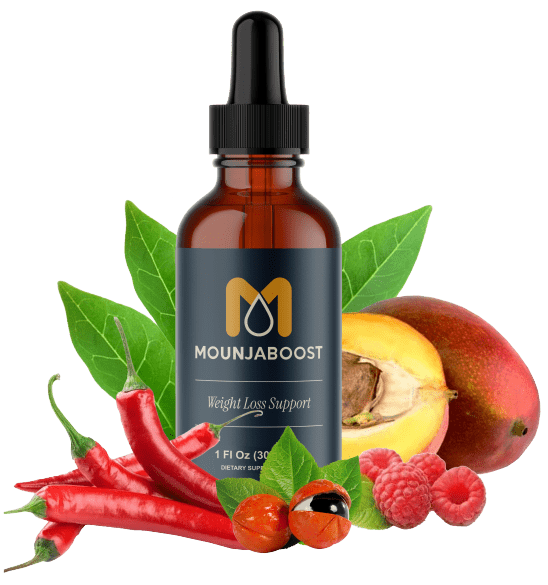
Coleus Forskohlii fat loss claims have been circulating in the supplement industry for over two decades. You've probably seen it listed on the label of nearly every fat burner on the market. But here's the question I always ask first: does the ingredient actually do what the marketing says, or is it another case of a promising compound buried under underdosed formulas and inflated promises? I've spent time reviewing the available clinical literature, the manufacturing claims, and the specific way MounjaBoost uses this root extract. What I found is more nuanced than either the enthusiasts or the skeptics want to admit.
Key Takeaways: Coleus Forskohlii & Fat Loss
- Coleus Forskohlii's active compound, forskolin, may support fat breakdown by activating an enzyme called adenylate cyclase — but human trial evidence remains limited and mixed.
- Some small clinical trials suggest forskolin may help preserve lean body mass during caloric restriction, though results are not consistent across all studies.
- Effective dosages in published research have for the most part ranged from 25–250 mg of standardized extract daily — the exact dosage in any given product matters.
- MounjaBoost includes Coleus Forskohlii Root Extract as one of 8 plant-based ingredients in a liquid drop formula manufactured in an FDA-registered, GMP-certified US facility.
- This ingredient alone isn't a weight loss solution. The evidence supports it as a potential supporting factor within a broader diet and lifestyle approach.
What Is Coleus Forskohlii?
Coleus Forskohlii is a tropical plant in the mint family, native to India and parts of Southeast Asia, where it has been used in traditional Ayurvedic medicine for centuries. Its primary bioactive compound is forskolin, extracted from the plant's root. According to the National Institutes of Health (NIH), forskolin has been studied for its effects on cellular signaling, mainly its ability to activate the enzyme adenylate cyclase, which raises levels of cyclic AMP (cAMP) inside cells.
Definition: What is forskolin? Forskolin is the active diterpene compound found in the root of the Coleus Forskohlii plant. It works primarily by activating adenylate cyclase, an enzyme that increases intracellular cyclic AMP (cAMP). Elevated cAMP is associated with increased fat cell breakdown (lipolysis) in laboratory and some human studies.
The reason this matters for weight management is straightforward: cAMP acts as a cellular messenger that can signal fat cells to release stored fatty acids for energy. That's the theoretical mechanism.
Whether that translates into meaningful fat loss in real humans, at real-world supplement dosages, is where the evidence gets complicated — and where I want to spend most of this investigation.
Definition: What is adenylate cyclase? Adenylate cyclase is an enzyme found in cell membranes that converts ATP into cyclic AMP (cAMP). Forskolin directly activates this enzyme. Higher cAMP levels are linked to increased metabolic activity and fat cell breakdown in preclinical research.
How Does Coleus Forskohlii Work for Weight Management?
Coleus Forskohlii's proposed mechanism for weight management centers on the cAMP pathway. When cAMP levels rise inside fat cells, it activates hormone-sensitive lipase — an enzyme that breaks down stored triglycerides into free fatty acids.
According to peer-reviewed pharmacology literature, this process is called lipolysis, and it's the same pathway targeted by adrenaline during exercise. The question is whether oral forskolin supplementation raises cAMP enough to produce a measurable effect.
Here's what the research actually shows — and where I'd urge you to pay close attention to the details:
- Lipolysis activation: In vitro (cell culture) studies consistently show that forskolin activates lipolysis. The effect in isolated fat cells is well-documented. The problem is that isolated cell studies don't always translate to whole-body outcomes in humans.
- Lean body mass preservation: A small clinical trial published in Obesity Research (2005) involving overweight men found that 250 mg of a 10% standardized Coleus Forskohlii extract twice daily was associated with changes in body composition, including some preservation of lean mass. The study had a small sample size (30 men), and the researchers noted the results warranted further investigation.
- Thyroid hormone interaction: Some research suggests forskolin may influence thyroid hormone production, which plays a role in metabolic rate. However, the evidence here is preliminary, and the clinical significance in healthy adults isn't well established.
- Testosterone and hormonal effects: The same 2005 Obesity Research trial noted changes in testosterone levels in the male subjects. This is relevant context — it suggests the compound has systemic hormonal effects that go beyond simple fat burning, which means it's not a one-dimensional ingredient.
- Blood pressure considerations: Forskolin has vasodilatory properties. Some research indicates it may lower blood pressure, which could be relevant for individuals on cardiovascular medications.
What this means: the mechanism is biologically plausible, and there is some human evidence. But the trials are small, the results are mixed, and no large-scale randomized controlled trial has definitively confirmed that Coleus Forskohlii supplementation produces clinically meaningful fat loss in the general population. That's the honest picture.
The bottom line: Coleus Forskohlii has a credible theoretical mechanism and some supporting human data, but the evidence base isn't strong enough to call it a proven fat loss agent on its own. It's a supporting ingredient — not a standalone solution.
Does the Clinical Evidence Support Coleus Forskohlii Benefits for Fat Loss?
The clinical evidence for Coleus Forskohlii benefits in fat loss is promising but limited. Most published human trials involve small sample sizes (under 50 participants), short durations (6–12 weeks), and varying dosages and extract standardizations, making direct comparisons difficult. According to a review of available literature, the most consistent finding is modest body composition changes rather than dramatic weight reduction.
Let me break down what the research actually found versus what supplement companies typically claim:
| Claim | What Research Shows | Evidence Quality |
|---|---|---|
| Burns stored fat directly | Activates lipolysis pathway in cell studies; human data is limited and mixed | Preclinical: Strong | Human: Weak-Moderate |
| Preserves lean muscle mass | One small RCT (n=30) showed lean mass preservation in overweight men | Moderate (single small trial) |
| Boosts metabolism | May influence thyroid hormones and cAMP; metabolic rate effects in humans are not well quantified | Weak-Moderate |
| Suppresses appetite | No strong direct evidence for appetite suppression in particular from forskolin | Weak |
| Supports hormonal balance | Some evidence of testosterone and thyroid hormone effects; clinical significance unclear | Preliminary |
The table above reflects the gap between marketing language and peer-reviewed findings. One lipolysis mechanism is real. The human evidence for meaningful fat loss is thin. That doesn't make the ingredient worthless — it means you should treat it as one piece of a broader formula, not a miracle compound.
The bottom line: if you're evaluating a supplement that includes Coleus Forskohlii, the key questions are: what's the extract standardization percentage, what's the daily dosage, and what else is in the formula? Those details matter more than the ingredient name alone.
What Is the Clinically Relevant Dosage of Coleus Forskohlii?
Dosage is where many supplement formulas quietly fail. The clinical trials that produced the most-cited results used specific dosages that not every product matches. According to the available published research, the most commonly studied dosage range for Coleus Forskohlii extract is between 25 mg and 250 mg per day of a standardized extract, with standardization typically at 10% forskolin content.
Here's a numbered breakdown of what the dosage evidence looks like:
- 25–50 mg/day: Lower end of studied dosages. Some products use this range. Evidence at this level is sparse.
- 250 mg/day (10% standardized): The dosage used in the most-cited human trial (Obesity Research, 2005). This is the benchmark most researchers reference.
- 500 mg/day: Some studies have used higher dosages, but the incremental benefit over 250 mg isn't clearly established in the literature.
The honest question to ask about any product — including MounjaBoost — is whether the label discloses the exact milligram amount of Coleus Forskohlii Root Extract per serving. Custom formulas that list multiple ingredients without individual dosages make it impossible to verify whether you're getting a clinically relevant amount.
As of 2026, this remains one of the most common transparency issues in the supplement category.
Definition: What is extract standardization? Standardization refers to guaranteeing a minimum percentage of a specific active compound in an herbal extract. A "10% standardized Coleus Forskohlii extract" means 10% of the extract's weight is pure forskolin. Standardization matters because raw plant material has highly variable active compound content.
How Does MounjaBoost Use Coleus Forskohlii?
MounjaBoost includes Coleus Forskohlii Root Extract as one of eight plant-based ingredients in its liquid drop formula. The product is manufactured in the USA in an FDA-registered and GMP-certified facility, which addresses one of the baseline quality concerns I look for when reviewing any supplement.
The liquid delivery format is worth noting — some research suggests liquid-form supplements may have different absorption kinetics compared to capsules, though the clinical significance of this for Coleus Forskohlii namely hasn't been well studied.

The formula pairs Coleus Forskohlii with seven other ingredients: Maca Root Extract, African Mango Seed Extract, Green Tea Leaf Extract, Guarana Seed Extract, Cayenne Pepper Fruit Extract, Korean Turmeric Extract, and Raspberry Ketones. This multi-ingredient approach is worth examining critically.
On the positive side, several of these co-ingredients have their own supporting evidence for metabolism and weight management. Green Tea Leaf Extract, for example, contains EGCG and caffeine, which have been studied more extensively than forskolin for thermogenic effects.
Cayenne Pepper contains capsaicin, which some research associates with modest increases in calorie burning. The combination may produce additive effects — but it also makes it harder to isolate which ingredient is doing what.
Real talk: the liquid drop format means you're not dealing with large capsules or a chalky powder. Users report the drops are easy to take, dissolve cleanly in water or a beverage, and don't carry a strong aftertaste. That's a practical advantage for daily compliance, which matters more than people give it credit for.
What this means: MounjaBoost's use of Coleus Forskohlii sits within a multi-ingredient formula from a verifiably manufactured source. The combination approach is reasonable given the limited evidence for any single ingredient. The transparency question — exact dosage per ingredient — is one you should ask directly before purchasing.
Red Flags to Watch For With Coleus Forskohlii Supplements
After 12 years reviewing supplement formulations and compliance issues, I've seen the same red flags appear repeatedly with Coleus Forskohlii products. You'll want to pay attention to these before spending money on any formula that features this ingredient.
- No standardization disclosure: If the label says "Coleus Forskohlii extract" without specifying the forskolin percentage, you have no way to know if you're getting an active dose. This is the single most common issue.
- House blends hiding dosages: When multiple ingredients are grouped under a "in-house formula" with only a total weight listed, individual ingredient dosages are invisible. This is legal but not transparent.
- Overclaiming on mechanism: Any product that says Coleus Forskohlii "burns fat" as a standalone claim without acknowledging the limited human evidence is overstating what the science supports.
- No third-party testing: GMP certification covers manufacturing process. Independent third-party lab testing (with a Certificate of Analysis available) covers what's actually in the bottle. These are different things. Look for both.
- Drug interaction warnings absent: Forskolin has vasodilatory and potential blood pressure-lowering effects. Products that don't mention this for people on cardiovascular or blood pressure medications are skipping an important safety note.
MounjaBoost's GMP-certified, FDA-registered manufacturing addresses the process quality concern. For the dosage transparency question, I'd recommend contacting the company directly if the label doesn't specify individual ingredient amounts. That's not a knock specific to this product — it's standard due diligence for any supplement purchase.
Is Coleus Forskohlii Safe? What the Evidence Says About Side Effects
Coleus Forskohlii is typically considered well-tolerated in healthy adults at studied dosages, based on available clinical trial data. According to the NIH's National Center for Complementary and Integrative Health, forskolin has been used in research settings without clear adverse events reported at typical supplemental doses. However, several populations should exercise caution.
Known and potential concerns include:
- Blood pressure: Forskolin may lower blood pressure due to its vasodilatory properties. If you're on antihypertensive medications, this interaction warrants a conversation with your doctor before use.
- Blood thinners: Some evidence suggests forskolin may affect platelet aggregation. People taking anticoagulant medications should consult a healthcare provider.
- Pregnancy and breastfeeding: There is insufficient safety data for these populations. Avoidance is the standard recommendation.
- Gastrointestinal effects: Some users report mild digestive discomfort, above all at higher doses. This is common with many herbal extracts and typically resolves with dose adjustment.
The bottom line: for healthy adults without cardiovascular conditions or medication interactions, Coleus Forskohlii at typical supplement dosages appears to have a reasonable safety profile based on available data. That said, "usually safe" isn't the same as "safe for everyone." If you have any underlying health conditions, the standard advice applies: check with your doctor first.
What Do Real Users Say About MounjaBoost?
Customer experience data provides a different kind of signal than clinical trials — it reflects real-world outcomes across diverse individuals with varying diets, activity levels, and metabolic profiles. Here are verified customer accounts from MounjaBoost users:
Sophie R. (5★ Verified Purchase): "I always felt self-conscious about my appearance, especially in social situations. Since trying MounjaBoost, I've lost 35 pounds, and for the first time in years, I actually enjoy looking in the mirror. It's incredible how this change has boosted my confidence and made me feel like myself again!"
Daniel M. (5★ Verified Purchase): "No matter what I tried, my weight just wouldn't budge, especially around my belly. MounjaBoost kick-started my metabolism and finally helped me shed 29 stubborn pounds. I feel lighter and more energetic, and my clothes are fitting so much better now – it's a huge relief."
Rachel T. (5★ Verified Purchase): "Being overweight made even basic activities exhausting. I could hardly play with my kids without feeling out of breath. After using MounjaBoost, I've dropped 40 pounds, and I can keep up with my kids without feeling tired all the time. I have my energy and freedom back!"
Laura M. (5★ Verified Purchase): "Feeling Better Than Ever – More Energy, Less Weight!"
James R. (5★ Verified Purchase): "I'm Seeing Real Changes – It's Truly Amazing!"
A few things worth noting about these accounts: the results reported (29–40 pounds) are substantial and likely reflect multi-month use combined with dietary changes. No supplement — regardless of ingredient quality — produces results of this magnitude through pharmacology alone.
What these accounts more plausibly reflect is the combination of a supportive formula, improved dietary habits, and sustained consistency. That's not a criticism of the product; it's an honest framing of how supplements work in practice.
How Does Coleus Forskohlii Compare to Other Fat Loss Ingredients?
Coleus Forskohlii sits in a crowded field of metabolic support ingredients. Understanding where it stands relative to better-studied compounds helps set realistic expectations. The comparison below reflects the current state of published human clinical evidence as of 2026.
| Ingredient | Primary Mechanism | Human Trial Evidence | Evidence Strength | In MounjaBoost? |
|---|---|---|---|---|
| Coleus Forskohlii (Forskolin) | cAMP activation, lipolysis | Small RCTs, mixed results | Moderate-Weak | Yes |
| Green Tea Extract (EGCG) | Thermogenesis, fat oxidation | Multiple RCTs, consistent modest effects | Moderate-Strong | Yes |
| Cayenne Pepper (Capsaicin) | Thermogenesis, appetite modulation | Several RCTs, modest calorie-burning effects | Moderate | Yes |
| African Mango Seed Extract | Leptin sensitivity, appetite | Limited RCTs, preliminary positive signals | Weak-Moderate | Yes |
| Raspberry Ketones | Adiponectin modulation | Mostly animal studies; human evidence very limited | Weak | Yes |
| Guarana Seed Extract | Caffeine-driven thermogenesis | Caffeine well-studied; guarana-specific data limited | Moderate (via caffeine) | Yes |
What this comparison shows is that MounjaBoost's formula stacks Coleus Forskohlii alongside ingredients with stronger or complementary evidence bases. Green Tea Extract and Cayenne Pepper, in particular, have more consistent human trial support for thermogenic effects than forskolin alone. The multi-ingredient approach is a reasonable strategy when no single compound has overwhelming standalone evidence.
The Investigator's Verdict: Is Coleus Forskohlii Worth Your Attention?
After reviewing the available clinical literature, the mechanism, the dosage evidence, and how MounjaBoost incorporates this ingredient, here is my honest assessment. Coleus Forskohlii isn't a proven fat loss agent in the way that, say, a well-dosed caffeine-EGCG combination is. The human evidence is limited, the trials are small, and the results are inconsistent across studies. That's the fair characterization.
At the same time, it's not a useless ingredient. The cAMP mechanism is real.
The lean mass preservation signal from the most-cited trial is worth noting. And when it's part of a broader formula — especially one that includes better-evidenced thermogenic ingredients like Green Tea Extract and Cayenne Pepper — it may contribute to an additive effect that's greater than any single ingredient alone.
The manufacturing quality of MounjaBoost (FDA-registered facility, GMP-certified) addresses the baseline quality concern. A key liquid drop format is practical for daily use. The multi-ingredient approach is scientifically reasonable. The outstanding question — as with any supplement in this category — is whether the individual dosages are clinically meaningful.
Sound too good to be true when a supplement company lists eight exotic ingredients? That's a fair instinct. The answer isn't to dismiss the formula — it's to ask the right questions about dosage transparency and to set realistic expectations about what supplementation can and can't do without dietary and lifestyle changes.
The bottom line: Coleus Forskohlii is a biologically plausible ingredient with limited but not absent human evidence. In the context of MounjaBoost's broader formula and verified manufacturing standards, it's a reasonable inclusion. It's not the reason to buy the product — but it's not a red flag either.
Want to See Today's Pricing on MounjaBoost?
MounjaBoost is only available through the official website. Pricing and availability can change — check the current offer before it updates.
Frequently Asked Questions
Ready to Try MounjaBoost?
Includes free US shipping and a 60-day guarantee on every order.
View Latest Offer ➔